43 daily value on food labels
Food Labels | CDC Understanding the Nutrition Facts label on food items can help you make healthier choices. The label breaks down the amount of calories, carbs, fat, fiber, protein, and vitamins per serving of the food, making it easier to compare the nutrition of similar products. ... Keep in mind that the % Daily Value of each nutrient, such as total fat of ... The Lows and Highs of Percent Daily Value on the Label The Daily Values have been updated, which may make the percent Daily Value higher or lower on the new Nutrition Facts label. Visit Daily Value and Percent Daily Value on the New Nutrition and ...
The Basics of the Nutrition Facts Label Step 4: Check Out the Nutrition Terms. Low calorie: 40 calories or less per serving. Low cholesterol: 20 milligrams or less and 2 grams or less of saturated fat per serving. Reduced: At least 25% less of the specified nutrient or calories than the usual product. Good source of: Provides at least 10 to 19% of the Daily Value of a particular ...

Daily value on food labels
Percent Daily Value: What does it mean? - Drugs.com Percent Daily Value (DV) on the Nutrition Facts label is a guide to the nutrients in one serving of food. For example, if the label lists 15% for calcium, it means that one serving provides 15% of the calcium you need each day. DV s are based on a 2,000-calorie diet for healthy adults. Even if your diet is higher or lower in calories, you can ... Daily Value on the New Nutrition and Supplement Facts Labels << The Lows and Highs of Percent Daily Value on the New Nutrition Facts Label. The Nutrition Facts label on packaged foods and drinks has been updated to make it easier for you to make informed ... The Value of Daily Values - Real Food Blends Daily Values (DVs) DVs are reference amounts of nutrients to consume. These are the percentages you see listed on the Nutrition Facts panel on food labels. DVs are based on two things: Reference Daily Intakes (RDIs): a set of references for vitamins and minerals on food labels based on recommended dietary allowances (RDAs) Daily Reference ...
Daily value on food labels. Your Guide to the New Food Label | National Kidney Foundation The Nutrition Facts Label helps you understand the nutrients a food product contains, and the Nutrition Facts Table lists all the items required by the law. Food labels have percent daily values listed for a set group of nutrients based on the Food and Drug Administration (FDA) recommended 2000 calorie diet. The Complete Guide to Recommended Daily Intakes, Daily Values, and ... The Daily Value (DV) builds on the RDI, but creates a number meant for everyone that can be put on the labels of food products. In short, the RDI is more specific and the DV is more general. If you are confused, don't worry, this article will clarify it for you, and give you a table with all the numbers. Daily Values on food labels are based on a | Chegg.com Biology questions and answers. Daily Values on food labels are based on a 200o-kcalorie/day diet. A man wants to calculate a personal Daily Value based on his 1800-kralorie diet. Calculate a daily goal (in grams) for carbohydrates using Table 2-8. TABLE 2-8 Daily Values for Food Labels Food labels must present the "% Daily Value for those ... Table of Daily Values - Canada.ca Overview. This document is a two-part table that sets out the recommended amounts of nutrients (the daily value) for specific age groups. These are the reference points upon which the % daily value in the nutrition facts table are based. Part 1 of the table sets out the daily values for macronutrients and sodium for two age groups.
How to Calculate % of Daily Value on Food Labels | livestrong A basic calculator can help to calculate the percent of daily value for specific nutrients. People often say they want to eat healthier. One of the first steps to take is examining nutritional value prior to purchasing foods. Food labels include most relevant information, including calories, fat, protein, and carbohydrate content. Daily Value: Definition and How to Calculate It - Insider Divide the amount of a nutrient in a food by the value determined in the above formula. Multiply that number by 100 to convert to a percentage. For example: Let's say you follow a 1,500 calorie diet and have determined that your daily value for protein is 37.5 grams. If you eat a serving of peanut butter with 8 grams of protein per serving and ... Food labels - NHS These labels provide information on the number of grams of fat, saturated fat, sugars and salt, and the amount of energy (in kJ and kcal) in a serving or portion of the food. But be aware that the manufacturer's idea of a portion may be different from yours. Some front-of-pack nutrition labels also provide information about reference intakes. Daily Values (DVs) - National Institutes of Health Daily Values. Recommended intakes of nutrients vary by age and sex and are known as Recommended Dietary Allowances (RDAs) and Adequate Intakes (AIs). However, one value for each nutrient, known as the Daily Value (DV), is selected for the labels of dietary supplements and foods. A DV is often, but not always, similar to one's RDA or AI for ...
Percentage of Daily Values Based on a 2000 Calorie Diet On a 2,000-calorie diet, the recommended intake of total fat is 65 g, saturated fat is 20 g and cholesterol 300 mg per day. If a food contains 20 percent of your daily value for saturated fat, it contains 4 g of saturated fat per serving. You can use the percentage of daily value on a food label to help you limit your intake of foods high in ... eCFR :: 21 CFR Part 101 -- Food Labeling In addition to providing a column within the Nutrition Facts label that lists the quantitative amounts and percent Daily Values per serving, for a product that is packaged and sold individually that contains more than 150 percent and less than 200 percent of the applicable reference amount, the Nutrition Facts label may voluntarily provide, to ... What Does "% Daily Value" Mean on a Food or Supplement Label? The 100% Daily Value is more than what most people consume. The 100% Daily Value amount is a goal, an encouragement to increase the intake of each of these nutrients. Nutrients to limit: These are total fat, saturated fat, trans fat, cholesterol, and sodium. For these nutrients, the 100% DV is an approximate upper limit of safe consumption. How to Understand and Use the Nutrition Facts Label | FDA Overview. The information in the main or top section (see #1-4) of the sample nutrition label (below) can vary with each food and beverage product; it contains product-specific information ...

How to Read Food Labels - Food Labels Explained
The Vegetarian Resource Group Blog - VRG The label actually provides the %Daily Value so that consumers can see how much (what percentage) a serving of the product contributes to reaching the Daily Value. The new labels give both the %Daily Value and the actual amount of the nutrient in a product. For example, the Nutrition Facts label for 1 cup serving of one brand of fortified soy ...
How To Read Food Labels
How To Calculate Percent Daily Value for Food Portions The Percent Daily Value is calculated by dividing the amount in a serving by the total recommended daily amount. Multiply that answer by 100, and you've got your %DV! For example: 3g in a serving. 15g recommended per day. 3/15 = 0.2. 0.2 x 100 = 20%.

How to Understand and Use the Nutrition Facts Label
Nutrition Labelling - Table of Daily Values - Canada.ca Food intended for children one year of age or older but less than four years of age or for children four years of age or older and adults. 1. Fat. 44 g. 75 g. 2. Sum of saturated fatty acids and trans fatty acids. 10 g. 20 g.

How to Read Food Labels & Make Healthy Choices When Food Shopping - Fresh Start Nutrition
Interactive Nutrition Facts Label Instead, the %DV is the percentage of the Daily Value for each nutrient in a serving of the food. The Daily Values are reference amounts (in grams, milligrams, or micrograms) of nutrients to consume or not to exceed each day. Some nutrients on the Nutrition Facts label do not have a %DV, so use the number of grams to compare and choose products.
FDA wants to strengthen sugar labeling - CBS News
The % daily values found on a food label are based on A. a 2,000 ... The % daily values found on a food label are based on A. a 2,000-calorie diet. B. the time of year. C. whether the person is a man or woman. D. whether the food is all-natural or processed.

Around the world...: McDonald's drink servings, from smallest to largest
Medical Definition of Daily Value - MedicineNet The Daily Value serves as a basis for declaring on the label the percent of the DV for each nutrient that a serving of the food provides. For example, the Daily Value for fat, based on a 2,000-calorie diet, is 65 grams (g). A food that has 13 g of fat per serving would state on the label that the "percent Daily Value" for fat is 20 percent.

35 The Term Daily Value On A Food Label Refers To - Label Design Ideas 2021
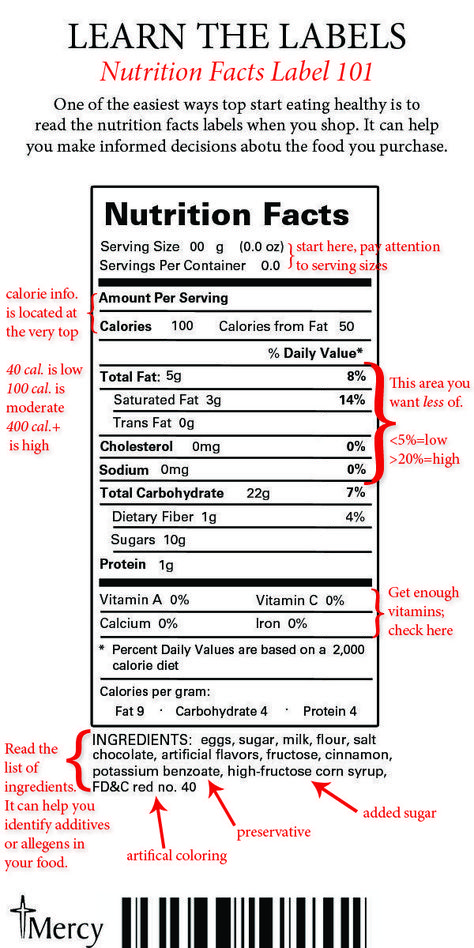
How To Read Food and Beverage Labels | National Institute on Aging At the top of the Nutrition Facts label, you will find the total number of servings in the container and the food or beverage's serving size. The serving size on the label is based on the amount of food that people may typically eat at one time and is not a recommendation of how much to eat. Read more about serving and portion sizes.
/https://www.thespec.com/content/dam/thespec/life/health-wellness/advice/2020/06/23/reading-the-food-label-six-things-to-look-for/labels.jpg)
Reading the food label: Six things to look for | TheSpec.com
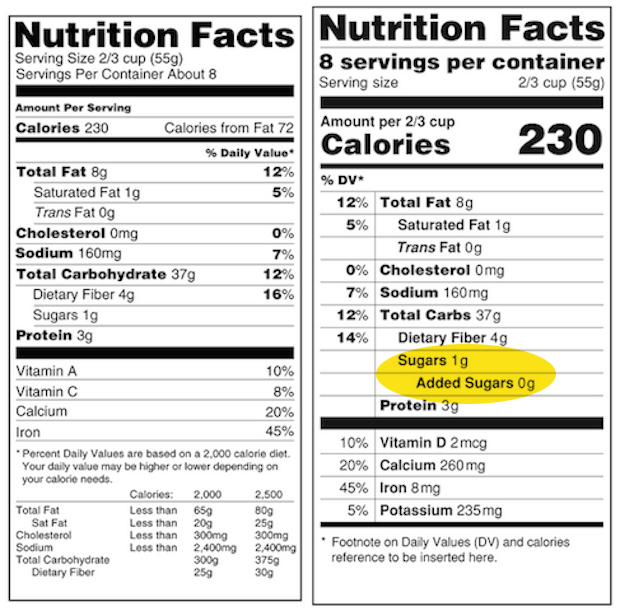
FDA Rounding Rules for Your Food Label - LabelCalc A vitamin or mineral value with less than 2% of the Recommended Daily Intake (RDI), it can be expressed in the following four ways: Zero; ... It might come as no surprise that in 2022, there are more than one way to create nutrition facts labels for your food products. Because we live in a digital age, where data is easily accessible, food ...
Why Read Food Labels | Universal Health Products
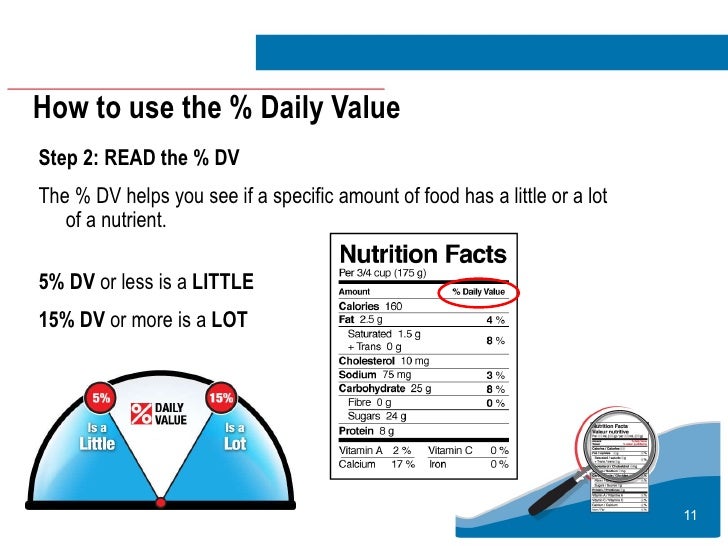
Percent daily value - Canada.ca About percent daily value. The % DV is found on the right-hand side of a nutrition facts table. It is a guide to help you make informed food choices. It shows you if the serving size has a little or a lot of a nutrient: 5% DV or less is a little. 15% DV or more is a lot. This applies to all nutrients with a % DV.
Food Nutrition Facts Label, Food Label Nutritional Analysis
The Value of Daily Values - Real Food Blends Daily Values (DVs) DVs are reference amounts of nutrients to consume. These are the percentages you see listed on the Nutrition Facts panel on food labels. DVs are based on two things: Reference Daily Intakes (RDIs): a set of references for vitamins and minerals on food labels based on recommended dietary allowances (RDAs) Daily Reference ...
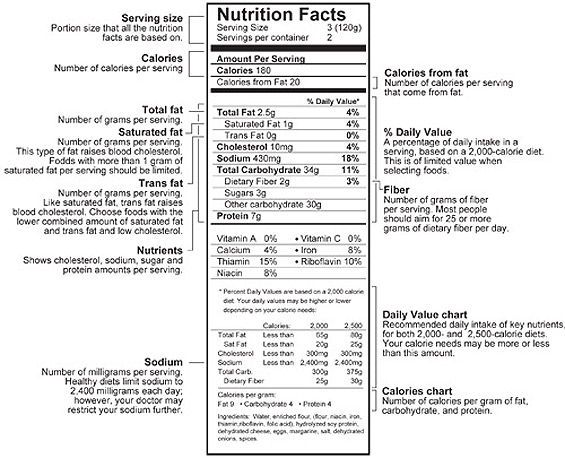
Food Labels - Eat Well To Be Well
Daily Value on the New Nutrition and Supplement Facts Labels << The Lows and Highs of Percent Daily Value on the New Nutrition Facts Label. The Nutrition Facts label on packaged foods and drinks has been updated to make it easier for you to make informed ...
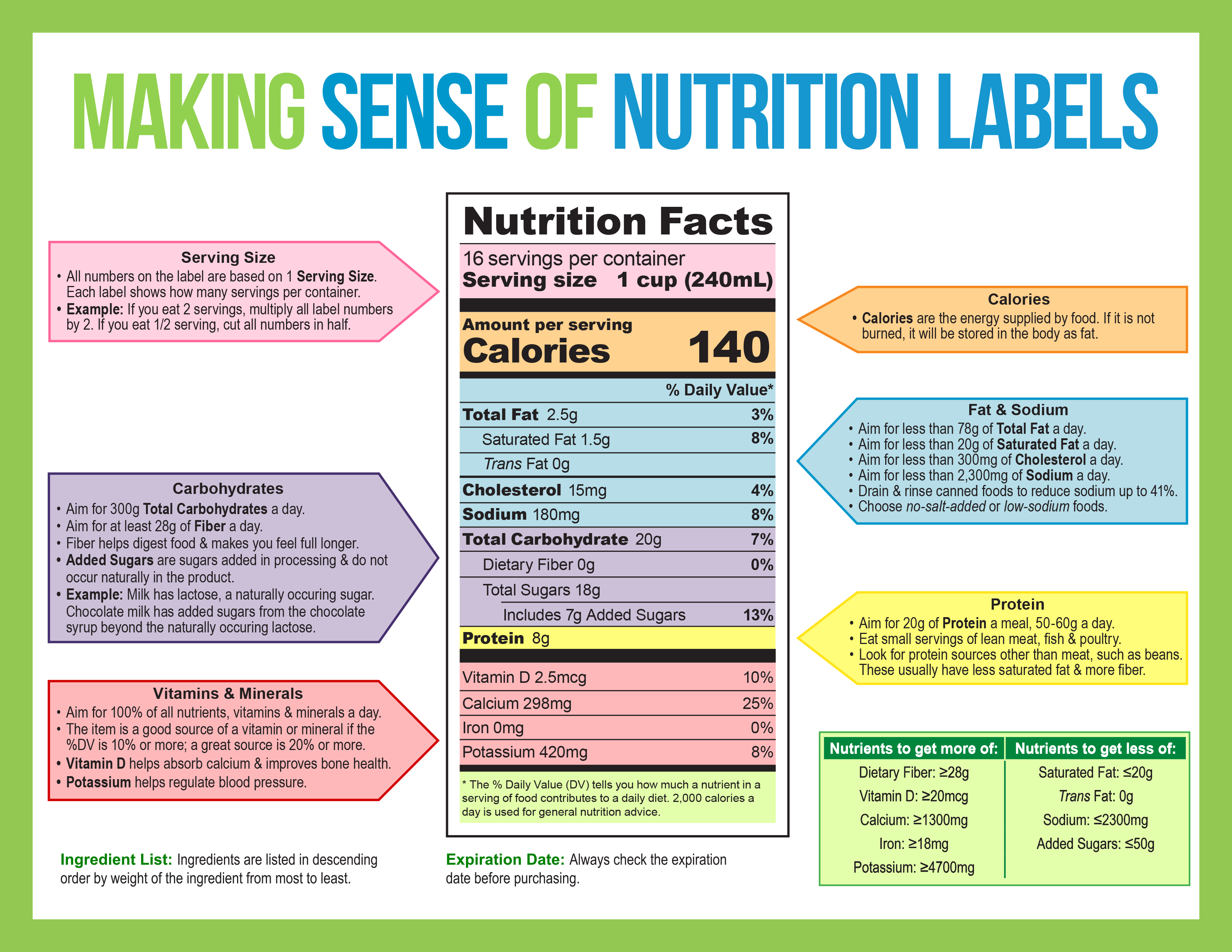
Making Sense of Nutrition Labels - ONIE Project
Percent Daily Value: What does it mean? - Drugs.com Percent Daily Value (DV) on the Nutrition Facts label is a guide to the nutrients in one serving of food. For example, if the label lists 15% for calcium, it means that one serving provides 15% of the calcium you need each day. DV s are based on a 2,000-calorie diet for healthy adults. Even if your diet is higher or lower in calories, you can ...
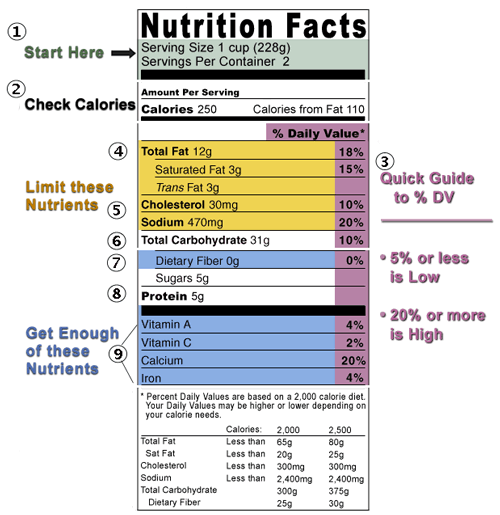
Reading Food Labels -Understanding Food Label Facts, Parts of the Food Label, Eating Healthy ...

33 The Daily Value On A Food Label - Labels Information List
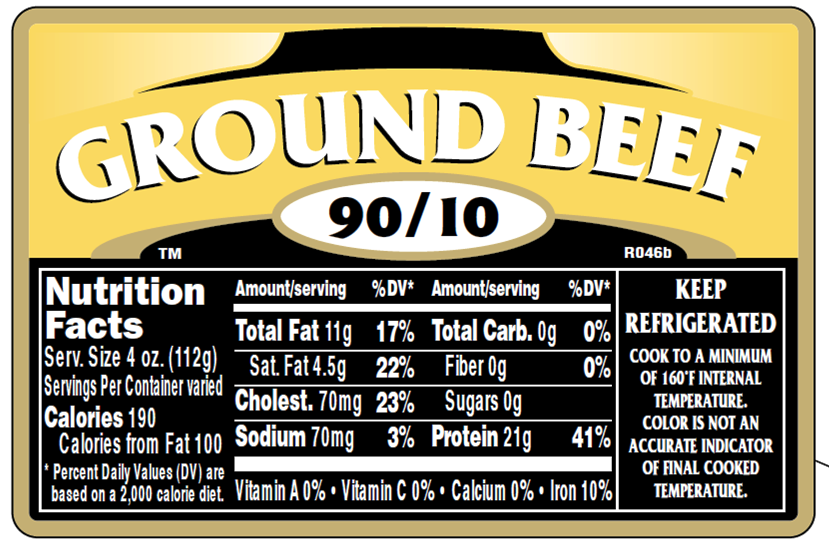
Food Politics by Marion Nestle » FoodPolitics catches up: USDA’s meat labeling

Food Labels Revamped: New FDA Guidelines — The Dieline | Packaging & Branding Design ...
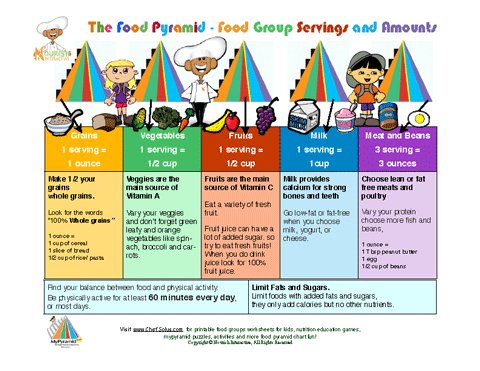
Food Groups Servings Learning Sheet
Post a Comment for "43 daily value on food labels"